

Quick answer: Tarrant County landowners with 5 to 20 acres can qualify for agricultural (1-d-1) valuation with managed honeybee colonies. Tarrant Appraisal District's published beekeeping standard is a minimum of 6 active hives, with a usable water source within a quarter mile of the hives. Land must show agricultural use for 5 of the previous 7 years. File Form 50-129 with TAD in Fort Worth between January 1 and April 30.
Does Tarrant County allow bees for an ag exemption?
Yes. Texas Tax Code Section 23.51(2) makes beekeeping an agricultural use on tracts of 5 to 20 acres, and Tarrant Appraisal District (TAD) applies it. Tarrant is the most built-out county Ten Box Bees works in, and bees are often the only agricultural use that still fits on the 5 to 20 acre tracts left in Mansfield, Crowley, Kennedale, Benbrook, Azle, Haslet, Keller, Southlake and the unincorporated edges of Fort Worth. Ten Box Bees is based just south of the county line in Burleson and manages hives on Tarrant County properties today.
How many hives does Tarrant County require?
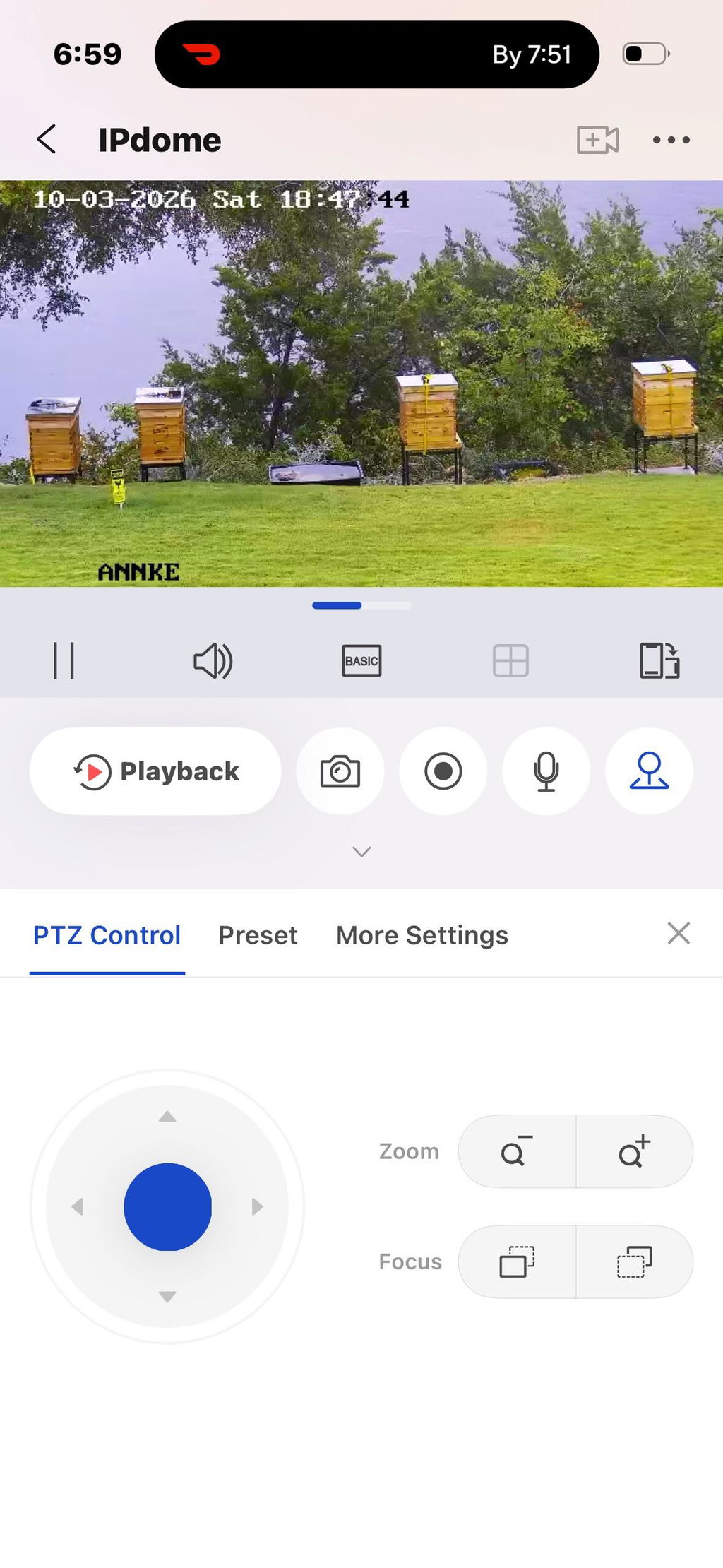
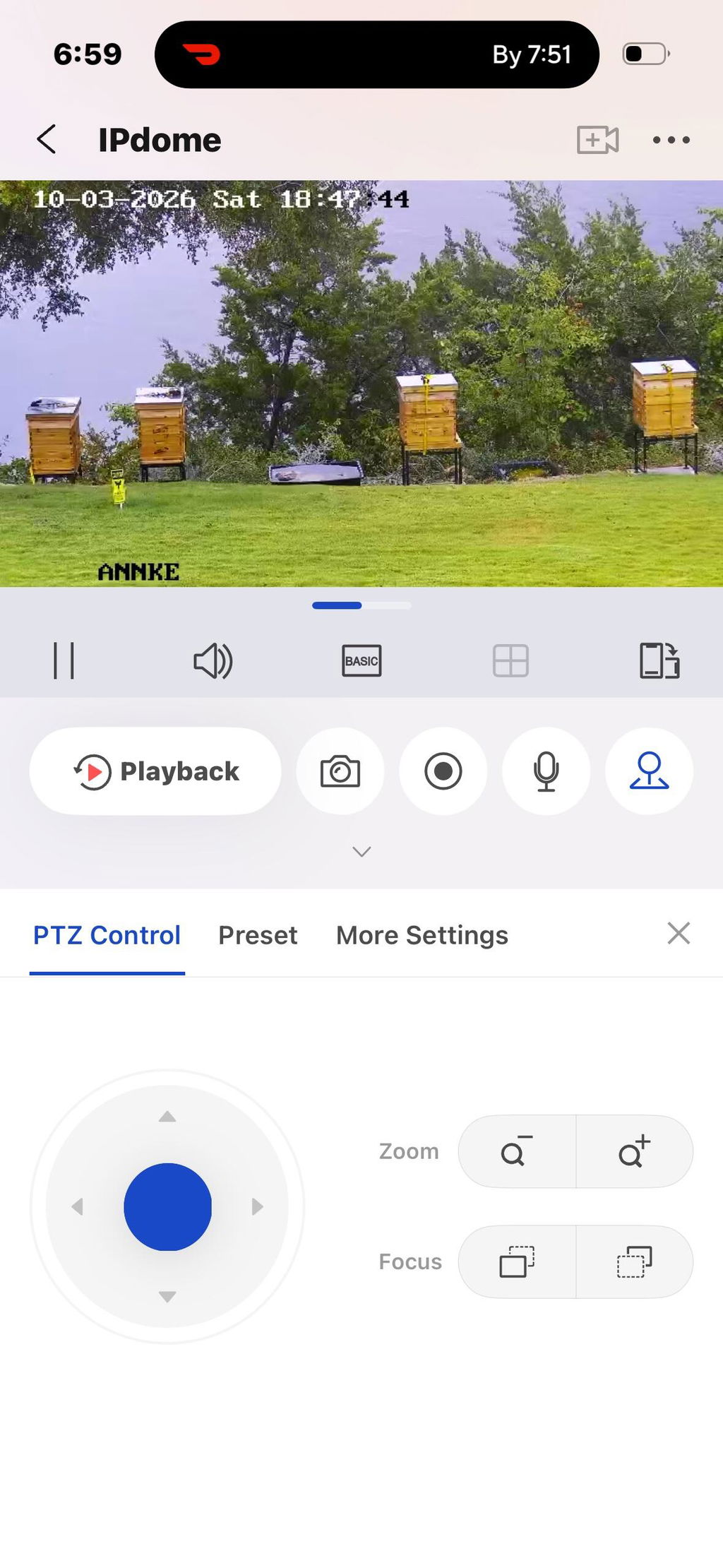
TAD's published intensity standard is a minimum of 6 active hives on qualifying tracts of 5 to 20 acres, and TAD adds one requirement most counties do not: a usable water source within one-quarter mile of the hives. A stock tank, creek, pond, or a maintained water station on the property satisfies it. TAD has not published a sliding scale that adds hives as acreage grows, but inspectors expect the count to be reasonable for the tract. Ten Box Bees places colonies to meet the published minimum and to satisfy an inspector on a 20-acre property, and provides the water source where the land does not have one.
How many acres do I need?
Between 5 and 20 acres devoted to bees, after the homestead is carved out. A 6-acre tract with a house typically leaves 5 qualifying acres. Under 5 acres does not qualify under state law, no matter how many hives you keep. In Tarrant County also check city ordinances and HOA restrictions: several cities regulate hive counts and setbacks inside city limits.
The 5-of-7-year history rule
Land must have been in agricultural use for 5 of the previous 7 years. If your land has no history, hives placed in year one qualify the land in year six. If the land already carries an ag valuation for cattle or hay, switching to bees keeps the history intact as long as there is no gap. Many Tarrant County owners make this switch when the land gets too small or too surrounded by subdivisions to run cattle.
What does it save?
Qualifying acreage is taxed on productivity value instead of market value. Tarrant County market values on 5 to 20 acre tracts are among the highest in North Texas, so the gap is large. Most Ten Box Bees clients net $2,500 to $6,000 or more per year after paying for the hive lease, and Tarrant County clients are often at the top of that range.
What does a managed hive program cost in Tarrant County?
Ten Box Bees leases fully managed hives at $385 per hive per year plus a one-time $200 setup fee. At TAD's 6-hive minimum that is $2,310 per year; most Tarrant County properties run $2,310 to $3,465 depending on acreage. That covers placement, all colony management and inspections, mite and pest control, the water source if needed, and the placement records and annual agricultural-use documentation TAD asks for.
How to apply with TAD
- Confirm acreage. Pull your record at tad.org and subtract the homestead portion. You need 5+ acres left.
- Get hives on the ground and managed before you file, with water within a quarter mile.
- File Form 50-129 (Application for 1-d-1 Open-Space Agricultural Use Appraisal) with Tarrant Appraisal District, 2500 Handley-Ederville Road, Fort Worth, TX 76118. Filing window is January 1 to April 30. Late applications are accepted until the roll is certified, with a 10% penalty.
- Attach documentation. Hive lease agreement, placement map showing the water source, colony count, and any Texas Apiary Inspection Service records.
- Expect a site visit. TAD inspects.
- Keep records every year. Ten Box Bees supplies updated documentation annually for clients.
Common Tarrant County mistakes
- Counting the house acre toward the 5-acre minimum.
- No water within a quarter mile of the hives.
- Buying six hives, losing two over winter, and not replacing them before inspection.
- Ignoring city bee ordinances inside Fort Worth, Mansfield, or Keller city limits.
- Missing the April 30 deadline.
Frequently asked questions
Can I qualify 4 acres in Tarrant County with bees? No. Texas law sets 5 acres as the floor.
Do I have to work the bees myself? No. A managed hive lease from a commercial beekeeper satisfies the requirement and TAD accepts lease documentation.
What counts as a water source? A pond, tank, creek, or a maintained water station within a quarter mile of the hives. Ten Box Bees provides one where the property has none.
Can I sell the honey? Yes, but you do not have to. Pollination alone is a qualifying agricultural use.
What if I sell? The valuation transfers if the buyer continues the ag use and reapplies. Changing the use triggers a 3-year rollback tax.
Get a free property evaluation
Ten Box Bees is a veteran-owned commercial beekeeping operation based in Burleson, founded by a retired Fort Worth police officer, managing 900+ hives for 75+ landowner clients across North Texas. We will pull your TAD record, tell you exactly what your tract needs, and give you a written quote. Call or text William at 940-597-5219 or request an evaluation online.
This article is general information about Tarrant Appraisal District beekeeping guidelines for the 2027 tax year and is not tax or legal advice. Confirm current requirements with TAD at tad.org or 817-284-0024.
Hello,
Can you please provide me with additional information on 10-24 hive yards. Cost, productions,food, housing, excedrra. Thank you in advance.
Leave a comment